




In addition to Weibo, there is also WeChat
Please pay attention
WeChat public account
Shulou



2026-03-15 Update From: SLTechnology News&Howtos shulou NAV: SLTechnology News&Howtos > Servers >
Share
Shulou(Shulou.com)06/03 Report--
1. Grep
Command format: grep [- cinvABC] 'word' filename
-c indicates the number of lines printed that meet the requirements
-I means ignore case
-n indicates the number of lines that output meets the requirements and their line numbers
-v means to print all numbers that do not meet the requirements
-r traverse all subdirectories
-An is followed by a number, such as-A2 to print the lines that meet the requirements and the two lines below
-B is followed by a number, and a column such as-B2 indicates printing the lines that meet the requirements and the two lines above
-C is followed by a number, such as-C2 to print the lines that meet the requirements and two lines up and down
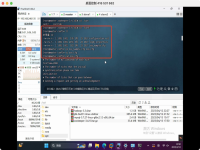
Create a grep directory and copy a file / etc/passwd

Filter files that contain nologin in passwd

Here, the red color is marked after filtering, because there is a-color=auto in the grep, which adds a color display.
Grep to view the number of rows that meet the requirements-c
Grep-n shows the number of lines that contain nologin in this file
Grep-I is case-insensitive
Grep-v is reversed, except for nologin.
Traverse all subdirectories-r
-A2 prints out the line containing root and the two lines below this line
-B2 prints out the line containing root and the two lines above this line
-C2 prints out the line containing root, as well as both the top and bottom lines of this line
Look at all the numbers from 0 to 9 in a file. [] parentheses indicate any character in it.
Reverse-r to bring out the ranks that do not contain numbers
Filter all lines that begin with #
Filter all lines that do not begin with the # sign
Lines that filter numbers that do not start with 0-9 are displayed
What does it begin with outside the square brackets? inside the square brackets, it means to take the wrong and take the opposite.
Filter any character
Specifies the number of occurrences of characters to be filtered out, and must use egrep if you do not want to use topological symbols
Specifies that one or more specified characters are to be filtered
Filter out 0 or 1 specified character
Filter out string 1 or 2, which means "or".
. Represents any character
There are zero or more characters before the sign.
{} indicates a range
+ means to match one or more characters preceding +.
? Mean? There are zero or 1 characters before it.
| indicates or
Welcome to subscribe "Shulou Technology Information " to get latest news, interesting things and hot topics in the IT industry, and controls the hottest and latest Internet news, technology news and IT industry trends.
Views: 0
*The comments in the above article only represent the author's personal views and do not represent the views and positions of this website. If you have more insights, please feel free to contribute and share.

The market share of Chrome browser on the desktop has exceeded 70%, and users are complaining about

The world's first 2nm mobile chip: Samsung Exynos 2600 is ready for mass production.According to a r

A US federal judge has ruled that Google can keep its Chrome browser, but it will be prohibited from
Continue with the installation of the previous hadoop.First, install zookooper1. Decompress zookoope





About us Contact us Product review car news thenatureplanet
More Form oMedia: AutoTimes. Bestcoffee. SL News. Jarebook. Coffee Hunters. Sundaily. Modezone. NNB. Coffee. Game News. FrontStreet. GGAMEN
© 2024 shulou.com SLNews company. All rights reserved.
 12
12
 Report